
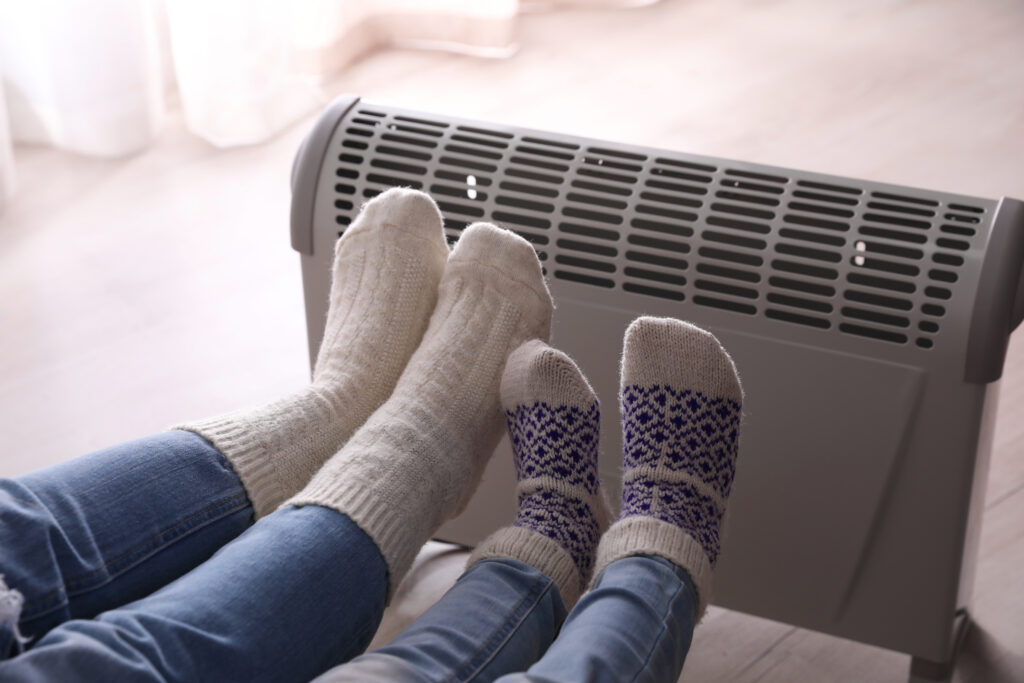
There’s a moment we repeatedly experience while touring a potential job. The owner, usually standing in their socks, sometimes in mid-conversation, pauses and says something like, “This floor always feels cold.” We immediately know the problem. The issue is the crawl space.
We get it. Out of sight, out of mind. Most people assume whatever is happening down in the crawl space stays down there, but it doesn’t. In fact, one of the more surprising things we’ve seen over the years at Attic Doctor is just how directly crawl space conditions show up in the parts of the home people actually live in, especially the floors and, eventually, the higher energy bills that follow.
The Separate Space Myth
It’s normal for homeowners to think of the crawl space as isolated. Structurally, it sits below the home, physically separated, and they believe it must not really interact with the indoor environment. When a crawl space is unsealed or poorly insulated, it doesn’t act like a separate zone. It behaves more like a slow, constant exchange point. Inside, air moves, moisture rises, temperature transfers—and not in small amounts either.
We regularly see homes where energy costs are running 15–20% higher than they need to be, largely because of what’s happening underneath. That number tends to catch people off guard. It still manages to surprise homeowners, even when we explain it to them… twice.
To be fair, it’s not always obvious. The HVAC system is still running, and the thermostat still responds. Nothing feels broken. It’s just a little more difficult to keep the house comfortable, and a little more expensive month to month.
Why Your Floors Are the First to Tell the Story
If you’re trying to understand crawl space issues from inside the home, the floors are usually the first place to look, both literally and figuratively. We’ve walked into homes where everything seems fine, but the moment you step onto the flooring, there’s a noticeable chill. It’s not freezing, just enough to make you pause and wonder what’s happening.
This often comes down to something called thermal bridging. It’s a technical term, but the idea is simple. Heat moves through materials that aren’t properly insulated. Floor joists, especially when left exposed or poorly insulated, can transfer temperature directly from the crawl space into the home.
In the wintertime, that means cold floors. In warmer or humid climates, it can mean the opposite. Heat will slowly work its way upward. Either way, the HVAC system ends up compensating, or overcompensating. It does that quietly, over time, by running longer than it should.
Where the Energy Loss Actually Happens
One of the more overlooked areas we check is the rim joist. This is the perimeter where the floor framing meets the foundation. It’s definitely not the most visible part of your home, and it’s not something you often think about. Surprisingly, it’s responsible for a large portion of air leakage. In some cases, over 30% of the air moving from the crawl space into the home can come through that area alone.
Combine that with an unsealed crawl space, and you’ve got humid outside air easily finding its way into the structure. We’ve had homeowners complain that their heating or cooling system just doesn’t keep up like it used to. Granted, it could be a mechanical issue, but oftentimes it is a crawl space issue. The system is working against conditions it was never meant to handle.
Moisture Complicates Everything
If heat transfer were the only issue, crawl spaces would be a simpler fix. However, moisture always complicates things. In humid environments, ground moisture rises into the crawl space and starts interacting with whatever insulation is down there. Fiberglass, which is still fairly common, doesn’t hold up well in those conditions. It absorbs moisture, sags over time, and loses effectiveness.
We’ve seen insulation that looks intact from a distance but has essentially stopped doing its job. Once moisture has entered the system, it doesn’t just stay down below. It can raise indoor humidity levels by 10–20%. That’s enough to make a cooling system work harder—not only lowering the temperature, but also removing moisture from the air.
It’s that extra workload that really adds up. Sometimes gradually, sometimes all at once during peak seasons. There’s also the mold factor, which we never overstate. When insulation degrades and moisture lingers, conditions can quickly shift. Insulation replacement or insulation installation in a crawl space needs to be done right.
When Fixes Work & When They Don’t
Encapsulation is often part of the conversation we have with customers, and for good reason. For those not in the know, encapsulation involves sealing off the crawl space with a combination of insulation materials and vapor barriers. When done correctly, it can reduce energy use by 15% on average, sometimes more, depending on the starting condition.
Here’s where things get a bit less straightforward. Not all encapsulation jobs are created equal. We’ve been in crawl spaces where someone clearly tried to fix the problem—pieces of plastic sheeting, chunks of insulation added—but the materials or methods didn’t match the environment. In some cases, trapping moisture instead of controlling it.
That’s a frustrating outcome for any homeowner. They tried to do something proactive, spent money on the problem, and didn’t get results. Even worse, many new issues spring up because of improper work.
So, while encapsulation is effective, it’s not just about sealing everything up tight. The type of insulation, how moisture is managed, and how air sealing is handled all matter. There’s a bit of nuance there that doesn’t always come through in quick online guides.
A Pattern Worth Mentioning
Over the past couple of years, we’ve started seeing a pattern, especially after more extreme weather swings. Hotter summers, heavier rain, longer stretches of humidity, all add to the problem. Crawl spaces that might otherwise have been fine before are starting to show signs of stress. The insulation breaks down faster, and moisture levels stay elevated far longer.
In some regions, this has translated into higher cooling costs almost overnight. In others, it shows up as HVAC systems wearing out sooner than expected. We’ve even seen cases where a crawl space issue contributed to repair bills over $1,000. That system didn’t outright fail, it was running under strained conditions for far too long. This is happening often enough that it’s hard for us to ignore.
What Homeowners Notice & What They Don’t
Most homeowners don’t call us because they’re thinking about their crawl space. They call for a multitude of other reasons.
- The floors feel cold
- Energy bills are increasing
- There’s a musty smell they can’t seem to locate
- Something in the house feels less comfortable than it used to
The crawl space is always an afterthought. It’s not a visible system. There’s no daily interaction with it, but it silently and simultaneously influences multiple parts of the home.
What Makes the Difference
When crawl spaces are addressed properly, the changes tend to show up in ways that feel subtle at first. Floors feel more neutral in temp. The HVAC system cycles more normally and doesn’t struggle. The humidity levels in the home stabilize.
Energy bills don’t always drop dramatically in the first month, but over time there is a consistency that wasn’t there previously. That said, every home is a little different. Factors like age, construction style, and climate exposure all play a role. There’s definitely no one-size-fits-all solution.
It’s Time to Get to Know Your Crawl Space
If there’s one thing we’ve learned at Attic Doctor, it’s this: small conditions underneath a home can have quite an effect on the atmosphere above. Ignoring crawl space issues can add an extra 15–20% to energy costs in some homes. Moisture can shorten the life of insulation faster than people expect. Once systems start compensating for these conditions, the costs tend to spread, affecting comfort levels, efficiency, and eventually leading to bigger repairs.
At the same time, fixing issues isn’t just about doing something. It’s about doing the right combination of things for your home the right way. So call us at (425) 600-3075, email us at admin@atticdoc.com, or get a free quote. We know every space is different. This is the part that takes a bit more thought and knowledge than most people expect from a crawl space.