
A properly insulated attic and/or crawl space comes with a host of benefits, including improved energy efficiency and healthier air quality.
When it comes to insulating these areas of your home, choosing the right material is paramount. In addition to the general differences between insulation types, PNW homeowners must also take into account our high-moisture climate and its effects on home insulation options.
Insulation experts like those here at Attic Doctor can help you make the best decision for your attic and crawl space needs.
Learn more about your options below, including why a hybrid solution is often the right choice for homes in our area.
Blown-In Vs. Spray Foam Insulation for PNW Homes
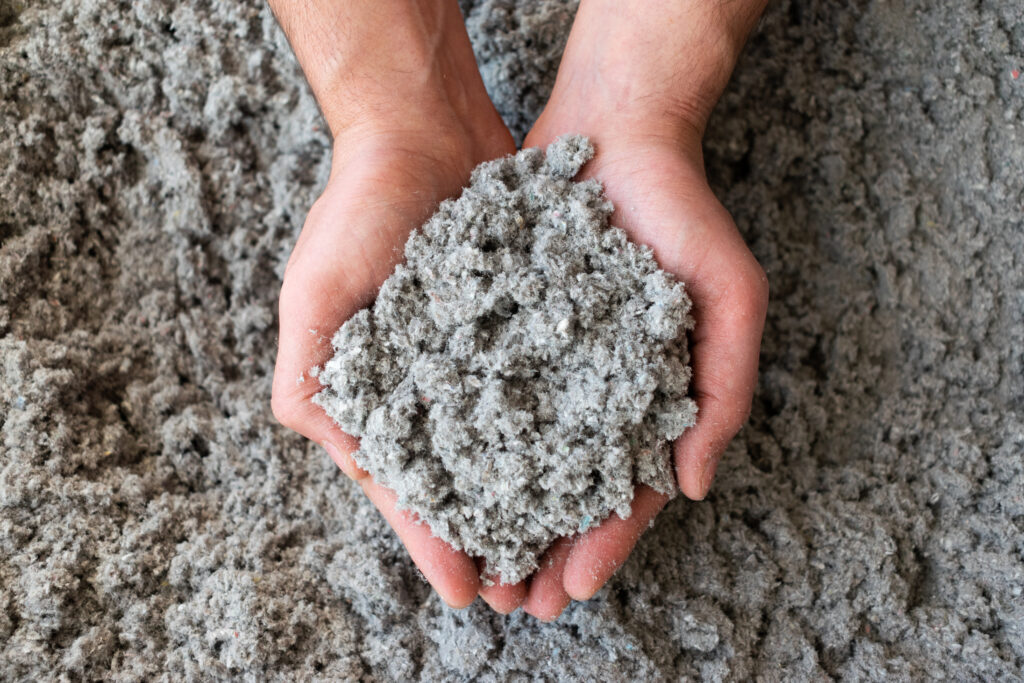
When it comes to traditional blown-in insulation, there are two main types: cellulose and fiberglass. The descriptions below apply generally to both types, except where noted.
The same goes for spray foam, which also has two main types: closed-cell and open-cell.
Upfront Cost
Spray foam comes with a higher upfront cost ($1.50-$3.50 per square foot vs. half to four times less than that, on average, for blown-in insulation), but is known to create savings in the long run.
Durability
Spray foam can last up to 100 years, or 50 to 100 years on average, whereas blown-in’s lifespan is about 30 to 40 years.
Spray foam’s moisture resistance helps with its longevity, while blown-in suffers in wet climates, shortening its longevity to less than the 30-to-40-year average.
Installation
Many homeowners believe that DIY’ing installation of blown-in insulation will save them time and money, but certain precautions must be taken to avoid costly mistakes.
For example, baffles must be installed to ensure proper ventilation. If this step is skipped, soffit vents can get blocked, which increases the risk of mold in the attic, reduces insulation efficiency, and can lead to ice dam formation and other costly issues.
In 2024, PNW homeowners with cellulose blown-in in their attics saw 20 percent settling after leaks, causing failed inspections and incurring thousands of dollars (averaging $3,500 per incident) in repairs.
Spray foam requires professional installation to avoid off-gassing volatile organic compounds (VOCs) as well as to avoid air gaps, which can reduce performance by 30 percent.
R-Value
An insulation’s “R-value” refers to its resistance to conductive heat flow, or its ability to insulate. A higher R-value means better insulation, keeping homes cooler in the summer and warmer in the winter and translating to improved energy efficiency.
Spray foam has a considerably higher R-value than blown-in insulation does, or 3.7-6.7 versus 2.3-4.3, respectively. The former is known to cut energy bills by 40 percent, while the latter by 25 percent.
Mold (& Other Moisture Problems)
In humid climates like the Pacific Northwest, blown-in cellulose and fiberglass alone will, oftentimes, get wet, causing them to compact. This reduces their R-values. Studies show that PNW homes see 20-30 percent higher heating bills when this happens versus homes using spray foam.
However, open-cell spray foam lacks the ability to block moisture, making closed-cell a better choice for PNW homeowners.
In addition to reducing both the longevity and R-value of blown-in, moisture can also lead to mold growth in this type of insulation. The cost of mold remediation in these instances is $5,000-plus in the PNW. One study from 2023 showed that basements using fiberglass blown-in in Seattle experienced mold outbreaks costing $10,000-plus in repairs.
Carbon Emissions During Production
The production of blown-in insulation results in about 20-30 percent fewer carbon emissions than the production of spray foam insulation does.
Insulation “pays back” its carbon footprint in a relatively short time, depending on its energy efficiency. For example, some estimates show that fiberglass blown-in has a very short carbon payback of less than seven weeks.
Flammability
Because spray foam is a petroleum-based product, it has a higher flammability than cellulose or fiberglass blown-in.
Sealing gaps in walls can be achieved with dense-pack blown cellulose, which is more effective than loose fills and comes without the fire risk of spray foam.
What’s the Right Insulation for PNW Homes?
The answer depends on your specific situation and your specific needs. In many cases, a hybrid use of closed-cell spray foam and dense-pack cellulose works best for PNW homes.
This provides the best of both worlds, while reducing specific drawbacks related to carbon footprint, VOCs, etc.
In the past year alone, closed-cell spray foam use for crawl spaces in the Pacific Northwest grew by 25 percent. This superior option for blocking moisture came in response to increasing incidents of mold growth.
Last year also saw a tightening of building code regulations on VOC emissions, with blown cellulose winning out over higher-toxicity spray foam in retrofits.
In addition, recent federal incentives shortened the return on investment for spray foam by three to five years, boosting its use in the Seattle area by 15 percent.
Get a Free Quote, and Fast Response, From Attic Doctor
Our eco-friendly attic and crawl space experts are here to help! Call to learn about our comprehensive solutions for Seattle area homeowners.